

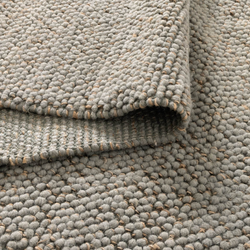
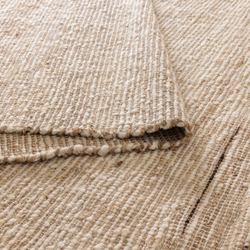

If you have recently bought a wool rug and noticed loose fibres in the first few weeks, you may be wondering: is my wool rug shedding normal? In many cases, yes. Some shedding can be a normal characteristic of a new wool rug, particularly while loose surface fibres are being released.
However, not every type of fibre loss should be ignored. The amount of shedding can depend on the rug's construction, yarn, use and care. In this guide, the Rug N Roll team explains what to expect, how to vacuum a wool rug correctly, what can make shedding worse, and when it is worth asking for advice.
Why do wool rugs shed?
Wool is a natural fibre. During manufacturing, cutting, finishing and everyday use, small loose fibres can remain within or on the surface of the pile. Foot traffic and vacuuming can gradually bring these fibres to the surface.
That is why seeing some fluff or fibres on a new wool rug does not automatically mean there is a fault. What matters is whether the shedding gradually settles and whether the rug itself remains structurally sound.
How much shedding is normal?
There is no single amount that applies to every wool rug. A new rug may release visible loose fibres, especially early in its life. With appropriate care, this should generally become less noticeable over time rather than continually becoming more severe.
If you are filling a vacuum cleaner with fibres every time you clean, seeing obvious thinning or bald areas, noticing yarns pulling out in clumps, or the shedding is getting worse rather than settling, contact the retailer or manufacturer for advice.
Does construction affect shedding?
Yes. Two rugs made from wool can behave differently because the way they are constructed is different.
Hand-tufted wool rugs
In a hand-tufted rug, yarn is inserted through a backing material rather than individually knotted around the foundation. Some hand-tufted wool rugs can release more loose surface fibre, particularly when new. This does not by itself mean the rug is poor quality.
Hand-knotted wool rugs
Hand-knotted rugs are constructed by tying individual knots around the rug's foundation. They can still release some loose fibres, especially when new, but their construction is fundamentally different from a hand-tufted rug.
Hand-woven and flat-woven wool rugs
Woven rugs have their own characteristics depending on the yarn and weave. You may still see occasional loose fibres or surface fuzz, but the behaviour can differ from a deep cut-pile or tufted rug.
This is why it is better to understand the construction of your particular rug rather than expecting every wool rug to behave in exactly the same way.
How should you vacuum a wool rug?
Vacuuming technique matters. Start gently and follow the care instructions supplied with your rug and vacuum cleaner.
- Use a low or moderate suction setting where your vacuum allows it.
- Avoid aggressive rotating brushes or beater bars unless the rug manufacturer specifically says they are suitable.
- Vacuum in the direction of the pile rather than repeatedly working against it.
- Do not repeatedly vacuum the same spot trying to remove every visible loose fibre at once.
- Use a suitable floor or rug attachment rather than assuming the strongest setting is best.
Powerful suction combined with an aggressive motorised brush can pull unnecessarily at the pile of some rugs. More power is not always better.
Should I keep vacuuming until all the loose wool is gone?
No. A common mistake is to see loose fibres and repeatedly vacuum the same area on maximum power. That can create additional stress on the pile.
Instead, clean the rug normally and consistently. Loose surface fibres can be removed gradually as part of routine care.
What can make a wool rug shed more?
Several factors can contribute to visible fibre loss, including very aggressive vacuuming, unsuitable rotating brush heads, repeated friction in one area, dragging furniture across the pile, pets scratching the rug, and pulling loose yarns rather than trimming or seeking advice.
What should I do with a loose yarn?
If you see an individual yarn or sprout standing above the surface, do not pull it. Pulling can disturb surrounding construction. For many rugs, a protruding fibre can be carefully trimmed level with the surrounding pile, but always check the care instructions for your particular rug first. If you are unsure, send the retailer a photo before doing anything.
When should wool rug shedding concern me?
Ask for advice if you notice significant or increasing fibre loss, visible thinning, bare patches, clumps of yarn pulling free, damage to the backing or edges, or a sudden change in the rug after cleaning.
Photos and a short video can be particularly useful because they allow the retailer to see the pile, construction and amount of fibre being released.
Does shedding mean a wool rug is low quality?
Not necessarily. Shedding alone is not a reliable measure of quality. Wool quality, yarn preparation, construction method, pile type, density and finishing all play a role in how a rug performs.
A premium wool rug can release loose fibres when new, while a synthetic rug may shed very little simply because the fibre and construction are different. The better question is whether the behaviour is appropriate for that particular rug and whether it settles with correct care.
Wool rugs are worth understanding
Wool remains a popular rug material because of its natural texture, comfort and appearance. The key is knowing what you are buying and caring for it according to its construction rather than treating every rug the same way.
At Rug N Roll, we stock different types of wool and wool-blend rugs, including hand-tufted, hand-woven and hand-knotted constructions. If you are unsure which construction suits your home or how to care for a rug you purchased from us, our team can help.
Frequently asked questions about wool rug shedding
Is it normal for a new wool rug to shed?
Some initial shedding can be normal. Loose surface fibres may be released through normal use and gentle vacuuming. It should generally become less noticeable rather than progressively worse.
How long will my wool rug shed?
There is no exact timeframe because construction, yarn, traffic and care differ from rug to rug. Focus on the trend: normal loose-fibre shedding should generally reduce over time.
Can I use a Dyson or powerful cordless vacuum on a wool rug?
The brand of vacuum is less important than the head and setting being used. Check both the rug and vacuum manufacturer's instructions. Avoid using an aggressive motorised brush or maximum suction if it is pulling strongly at the pile.
Should I pull loose wool fibres out?
No. Do not pull loose yarns or sprouts. If something looks unusual, photograph it and ask for advice. Where appropriate for the rug, an isolated protruding fibre may be trimmed level rather than pulled.
Are synthetic rugs better if I do not want shedding?
Many synthetic rugs are designed to have very low visible shedding, so they can be worth considering if that is a priority. Material is only one factor, though; construction and pile type also matter.
Need help choosing or caring for a rug? Visit Rug N Roll online or speak with our team in store. Care requirements vary between products, so always follow the instructions provided for your particular rug.

